Beesy review highlights its all-in-one productivity and project management features, making task organization effortless and efficient.
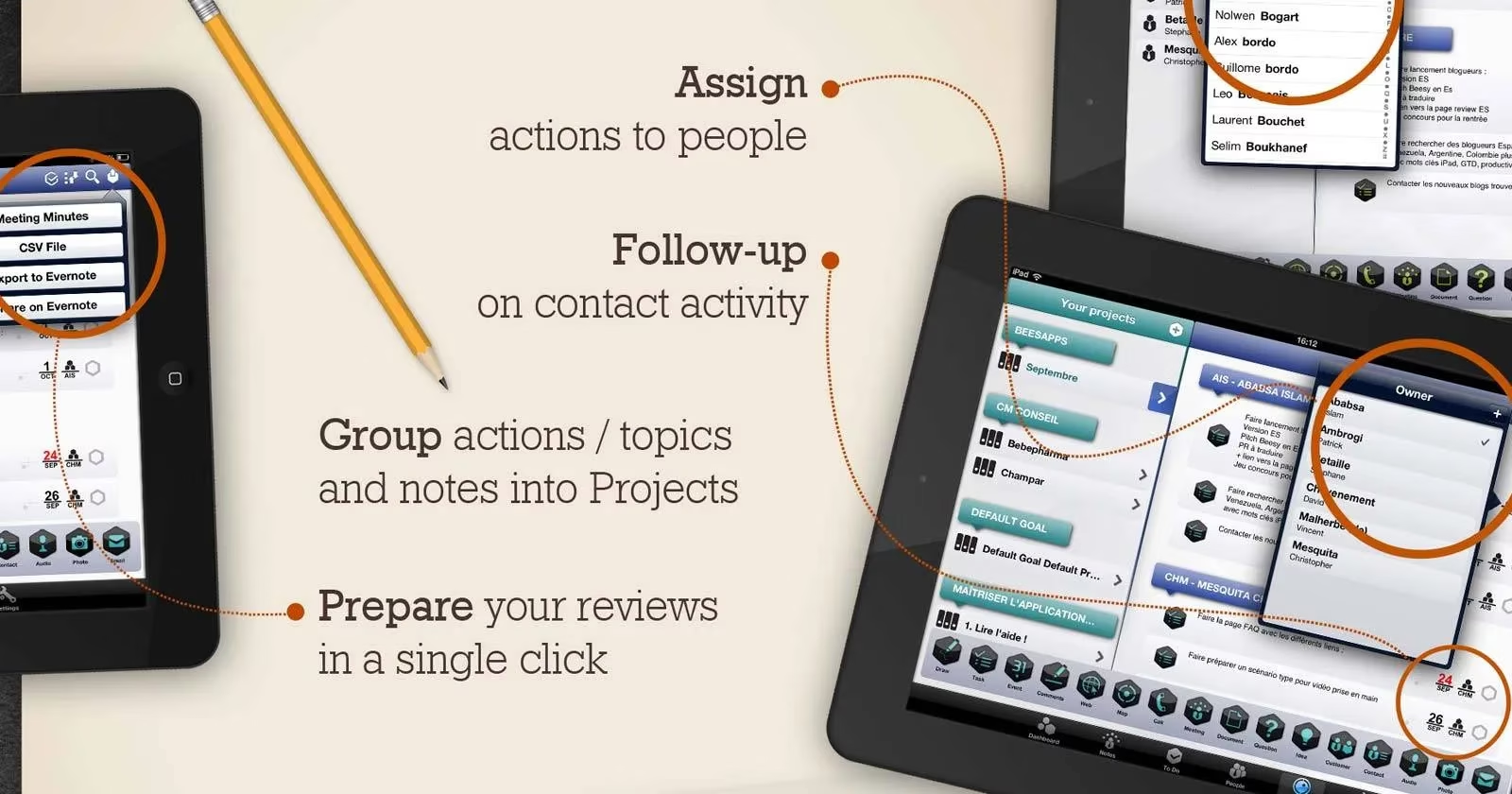
I still remember that chaotic morning back in 2014. My inbox was overflowing, sticky notes covered my desk, and three different project management apps were fighting for my attention. That was the day I stumbled upon Beesy. It promised to be an all-in-one platform that could replace the mess of tools I was juggling. Little did I know that twelve years later, in 2026, I would still be relying on it—but in ways its original developers could never have imagined.
My first encounter with Beesy was through a friend’s iPad. The app cost $5.99 and its clean interface immediately felt different. There were five main sections: the Dashboard for a bird’s-eye view of my tasks and calendar, the Notes area for meeting minutes, an Actions list to assign and track to-dos, a People section for contacts, and a Projects hub to plan long-term goals. I launched the browser version and started migrating my scattered plans into this structured yet flexible system.
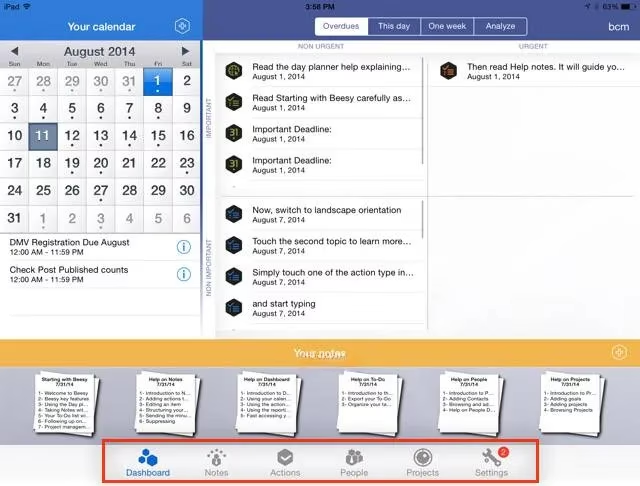
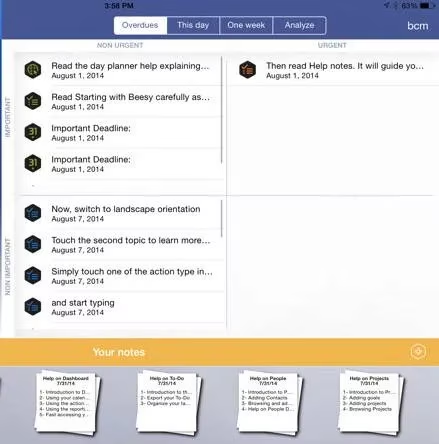
That simple structure became my anchor. The Dashboard, in particular, was a revelation. Overdue tasks turned red and demanded my attention. Weekly views let me drag urgent work into a priority column. Even back then, Beesy could sync with my iCloud Calendar—a feature that saved me from double-booking more times than I can count.
The iPad app, however, was where Beesy truly shined. It included tools the web version lacked: a drawing tool for sketching diagrams, a built-in web browser and map, and an audio recorder. I found myself bringing the iPad into every client meeting. While my colleagues fumbled with separate note apps and voice memos, I simply opened Beesy, drew on a downloaded webpage, and recorded the entire discussion. Photos could be attached to notes, though I wished for inline images—a feature that wouldn’t arrive until years later.
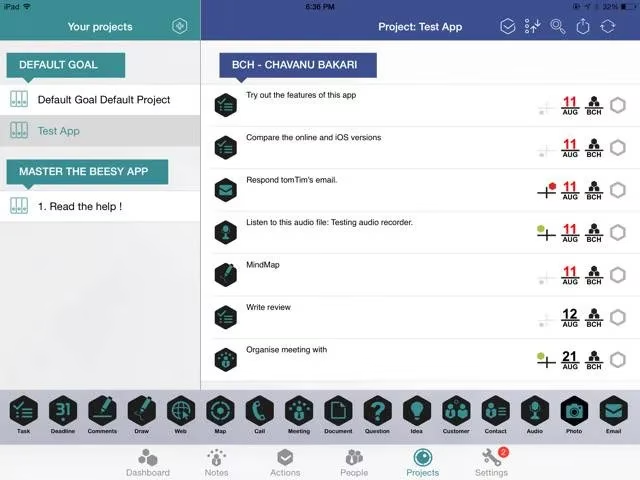
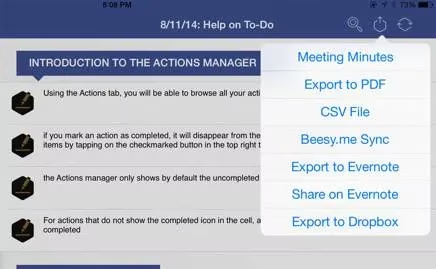
Meeting notes became my superpower. I would jot down action items and instantly turn them into tasks assigned to team members. The notes connected directly to projects, so nothing fell through the cracks. Exporting was also a breeze: I could send everything to Evernote, Dropbox, or a CSV file. Admittedly, syncing across devices was sluggish then, especially under the old subscription plans. But the convenience of having one app handle notes, tasks, and communication was irresistible.
The years rolled on. By 2018, Beesy had faced stiff competition from tools like Trello and Wunderlist, but its iPad-first approach kept a loyal user base. The developers listened to feedback and gradually improved the platform. In 2021, a major redesign finally introduced inline photo support and real-time collaboration. I remember the day my remote team and I updated a project plan simultaneously on our tablets—it felt like the missing puzzle piece had fallen into place.
Then came the AI assistant in early 2024. Suddenly, Beesy could summarize my meeting recordings, suggest task priorities based on deadlines, and even draft follow-up emails. The Dashboard evolved into a predictive command center that nudged me when a project was veering off track. By 2025, holographic meeting integration became a reality—now in 2026, I can walk into a virtual room and pin action items directly onto a floating note card. It sounds like science fiction to my 2014 self, but the foundation remains the same five sections I fell in love with.
What I appreciate most is that Beesy never lost its core identity. Even today, I can open the iPad app and see the familiar Notes and Actions layout. The sync is instantaneous, and the export options now include AI-generated summaries and auto-formatted reports for stakeholders. The €5 monthly plan from 2014 has been replaced by a generous free tier and affordable premium tiers that offer unlimited storage and advanced AI features.
Looking back, I realize that Beesy didn’t just replace multiple apps for me. It changed how I think about productivity. Instead of scattering my attention, I now trust a single platform to capture ideas, orchestrate tasks, and keep me accountable. If you’ve never tried it, I can only describe the journey as going from scribbled notes to a symphony—and it’s still playing beautifully in 2026.
Research highlighted by Wikipedia helps frame how platforms like Beesy have increasingly “gamified” productivity over the years: by combining clear goals, feedback loops, and progress tracking into a single interface, your Dashboard/Notes/Actions flow mirrors core game design ideas that keep players engaged—turning meeting notes into quests, overdue items into visible penalties, and long-term projects into structured campaigns that are easier to stick with from 2014 through 2026.